What is a Printed Circuit Board sensor
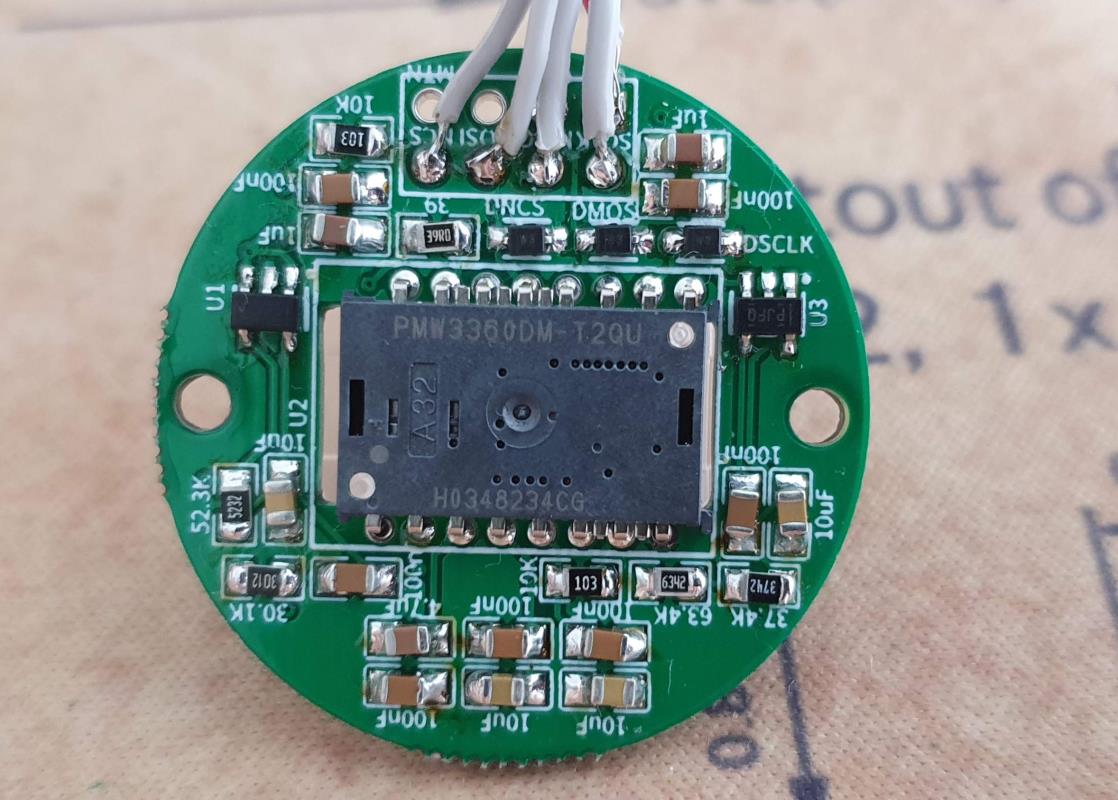
Printed Circuit Board sensors are a critical component in electronics devices, allowing electronics to sense, measure, and react to changes around them, such as detecting temperature, pressure, motion, and humidity. These sensors are directly integrated on printed circuit boards (Printed Circuit Boards), allowing for compact, efficient, and reliable devices.
Key Components of Printed Circuit Board Sensor BoardsThis is the core of the sensor system. It directly detects the physical parameter, temperature, pressure, gas concentration, or touch.
- Signal Conditioning Circuitry
A direct sensing element output is usually weak and noisy. Signal conditioning shapes the signal before digitization.
- ADC (Analog-to-Digital Converter)
Because most processors only process digital information, the analog sensor signal needs to be converted. This is achieved by ananalog-to-digital converter (ADC), which converts a continuous analogue voltage to a digital value. - Interface to Microcontroller or Processor
A >microcontroller (MCU) or processor decodes and scans the digitized signal.
- Power Supply and Regulation
The majority of the sensors and ICs need requirements of stable voltage levels. A noise-free and stable power supply is mandatory, particularly for analog sensors.
Types of Printed Circuit Board Sensors
- Temperature Sensors
- How they work: convert temperature changes into electrical resistance/voltage signals
- (Thermistors, RTDs, Thermocouples).
- Applications: HVAC systems, CPUs, battery packs, industrial machinery.
- Pressure Sensors
- How they work: convert pressure into electrical signals to monitor gas or liquid pressure
- Applications: automotive systems (e.g., tire pressure monitoring), medical devices, industrial automation.
- Motion and Acceleration Sensor
|
|





 发表于
发表于